A ONE-TO-ONE PLEDGE FOR THE BUILT ENVIRONMENT INDUSTRY
Every project
you deliver. _
One Wild House
funded._
For the people shaping land in Australia - architects, builders, developers, landscape designers, manufacturers and arborists. One pledge per project, reconciled against what you actually deliver.
No payment until EOFY.
$500
per wild house
FY26-27
CURRENT PLEDGE
YEAR
1:1
PROJECT = HOUSE
WHO WILD HOUSES IS FOR
If your work shapes land,
this is for you.
01
BUILDING HOMES?
You already build houses. Build one more - for wildlife. One Wild House per home delivered.
02
DESIGNING LANDSCAPES?
For every garden or site designed, fund shelter for what's displaced. One Wild House per project.
03
SUPPLYING THE INDUSTRY?
Tie biodiversity to your output. One Wild House per unit of product supplied - you set the ratio.
04
Managing trees?
Replace what the hollow used to be. One Wild House per significant tree assessed, pruned or removed.
Tap or scroll to move images
THE PROBLEM
We build.
Wildlife loses.
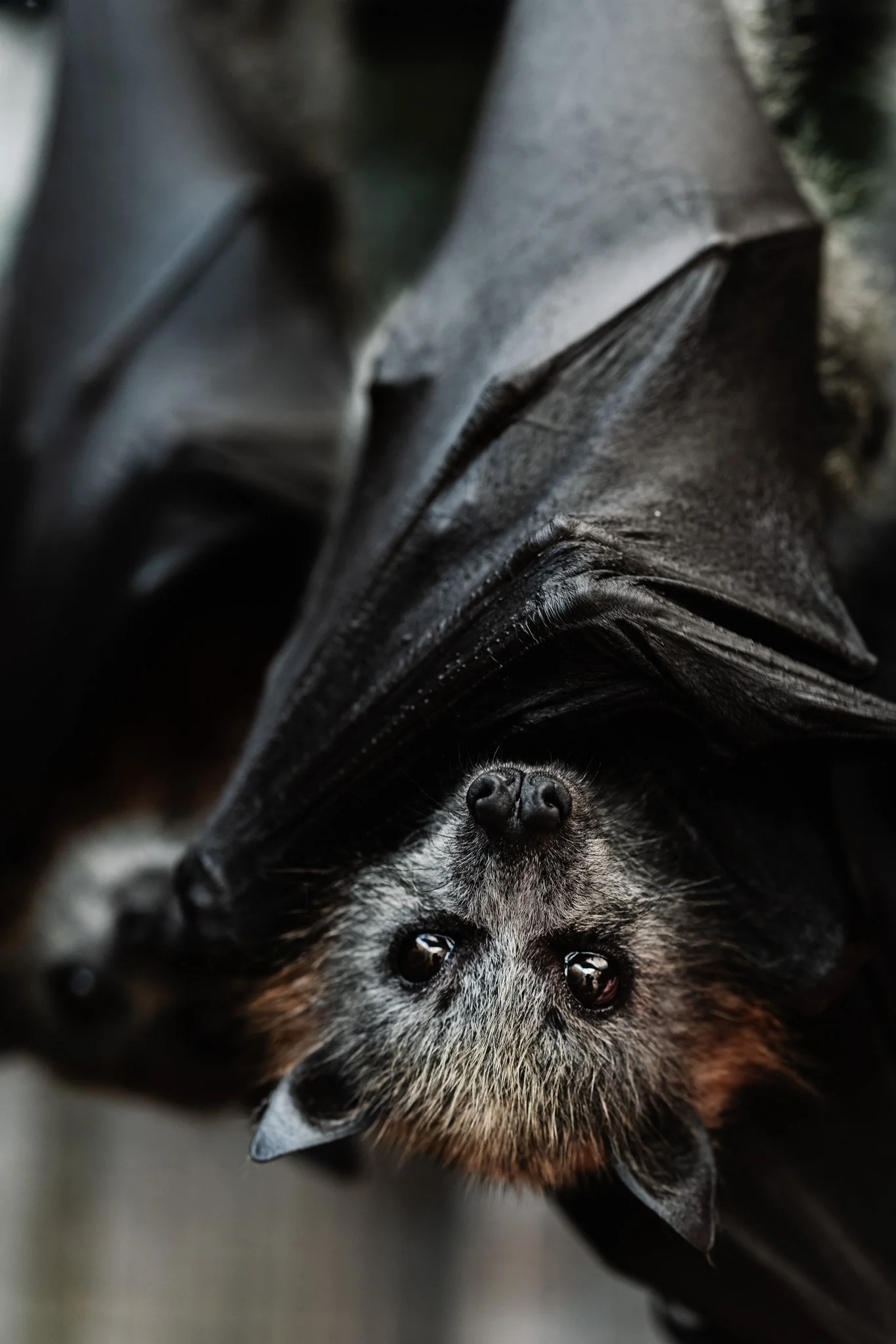
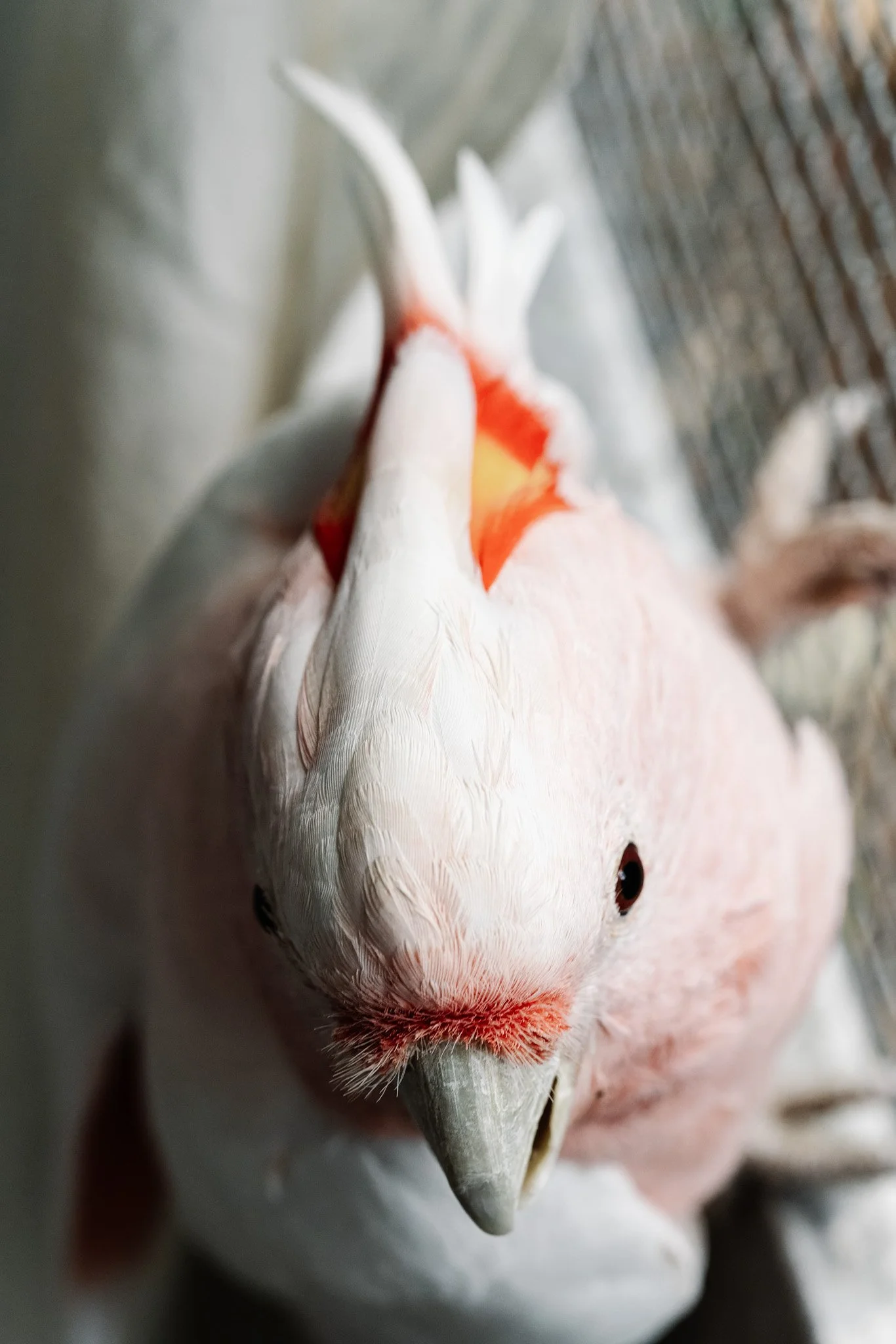
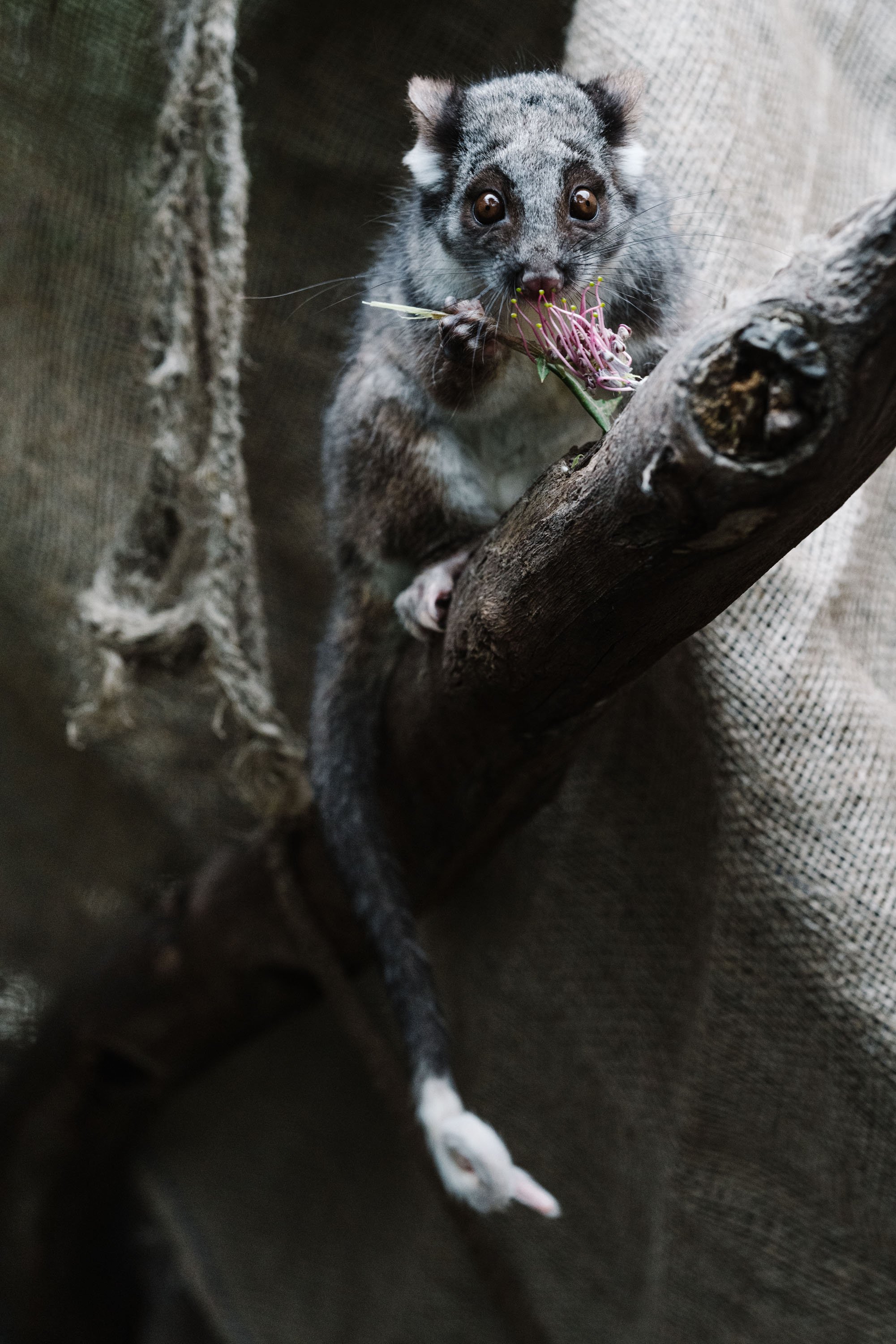
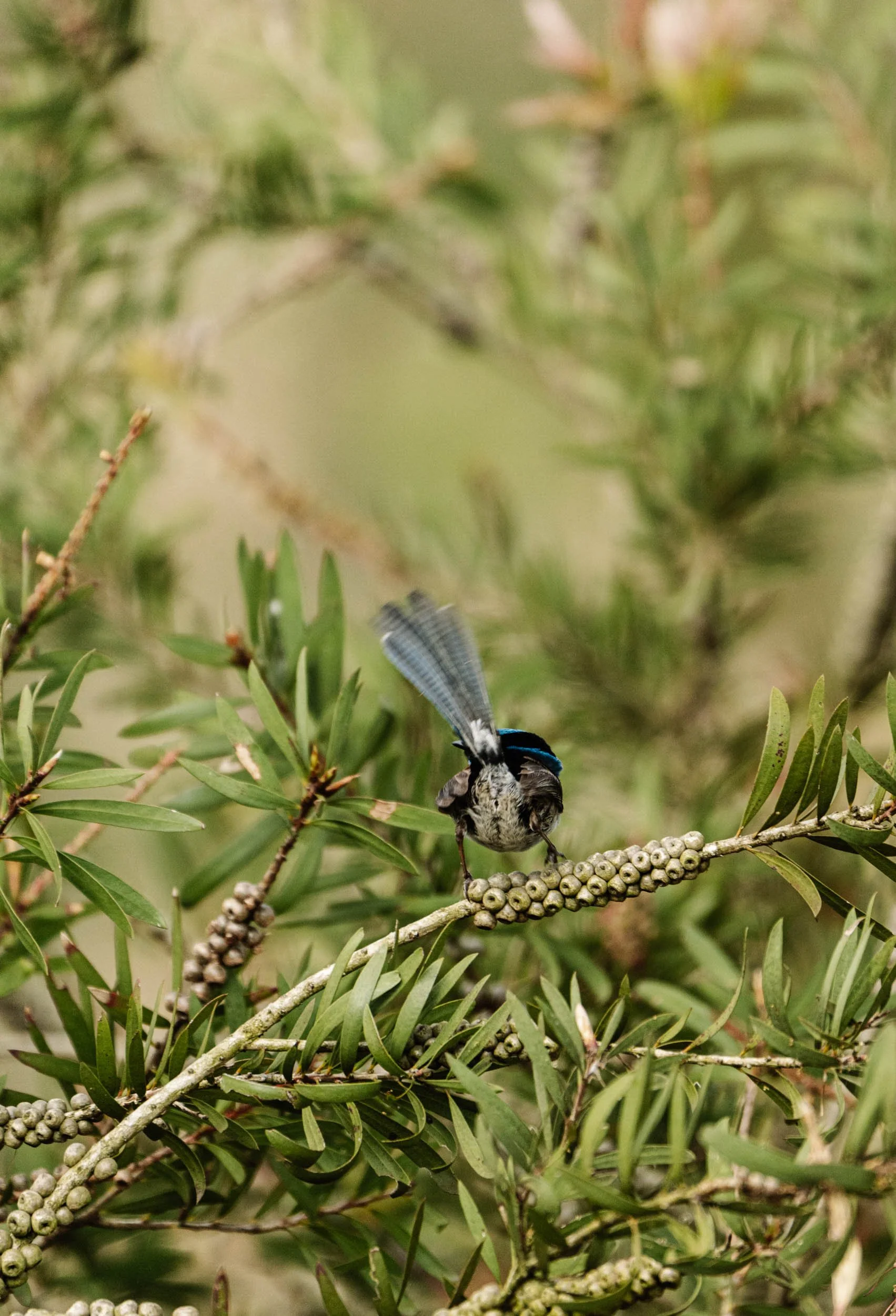
Across thousands of projects a year, the built environment is one of the biggest drivers of habitat loss in Australia.
Tree hollows are the most acute example. They take over a century to form and disappear in an afternoon. When a site is cleared, every hollow on it is gone - and nothing replaces it on any timeline that matters to the species that needed it. The industry that builds a home in a few months is inadvertently removing shelter that can't be replaced for two hundred years.
Wild Houses is the simplest way for built environment businesses to give something back. Not an offset. Not a greenwash. A real nest box, installed in a real place, by people who know what they're doing. The same industry that's so good at building shelter for people is uniquely placed to do something about it.
7.7M
hectares of threatened species habitat cleared or degraded in Australia between 2000 and 2017
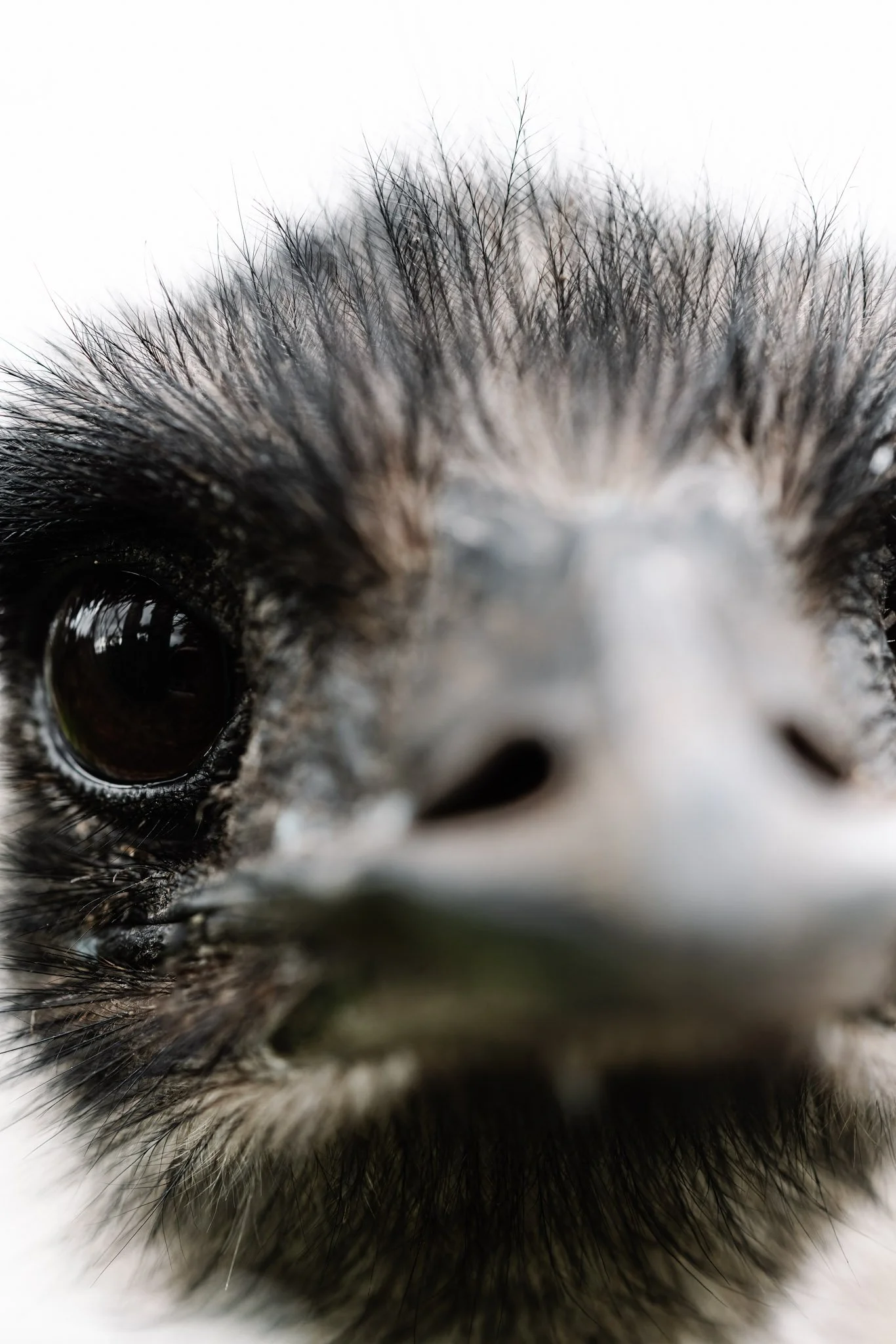
100+
hollow-dependent species listed as threatened nationally
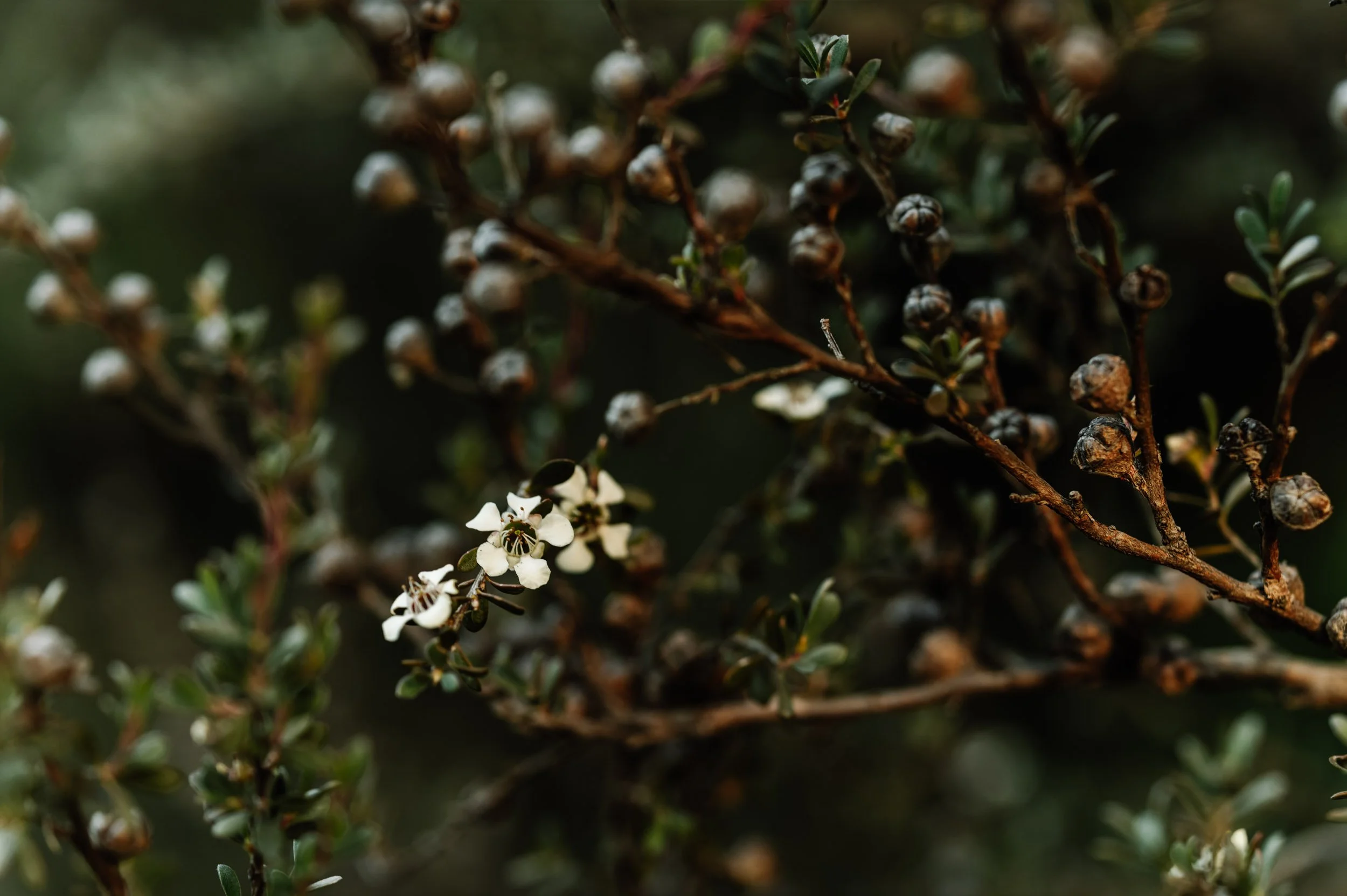
100-200+
years it takes for a tree hollow to form naturally
Pledge. Deliver. Deploy.
HOW IT WORKS
STEP ONE.
PLEDGE
Choose a unit that matches your work.
One Wild House per project - whether that's a home, apartment, lot, garden, supplied product, or assessed tree.
The principle stays the same. Only the unit changes.
STEP TWO.
DELIVER
Reconcile at end of financial year.
Pledge across the year. Fund based on what you actually delivered.
Realistic, measurable, accountable. Just like the projects you deliver.
STEP THREE.
DEPLOY
Conservation partners assess sites, landowners, and species.
Specialist makers build the boxes. They're installed where they'll have the greatest ecological impact.
Your pledge funds a box in a tree - not one sitting in a shed.
WHAT IS A WILD HOUSE?
What counts as a house?
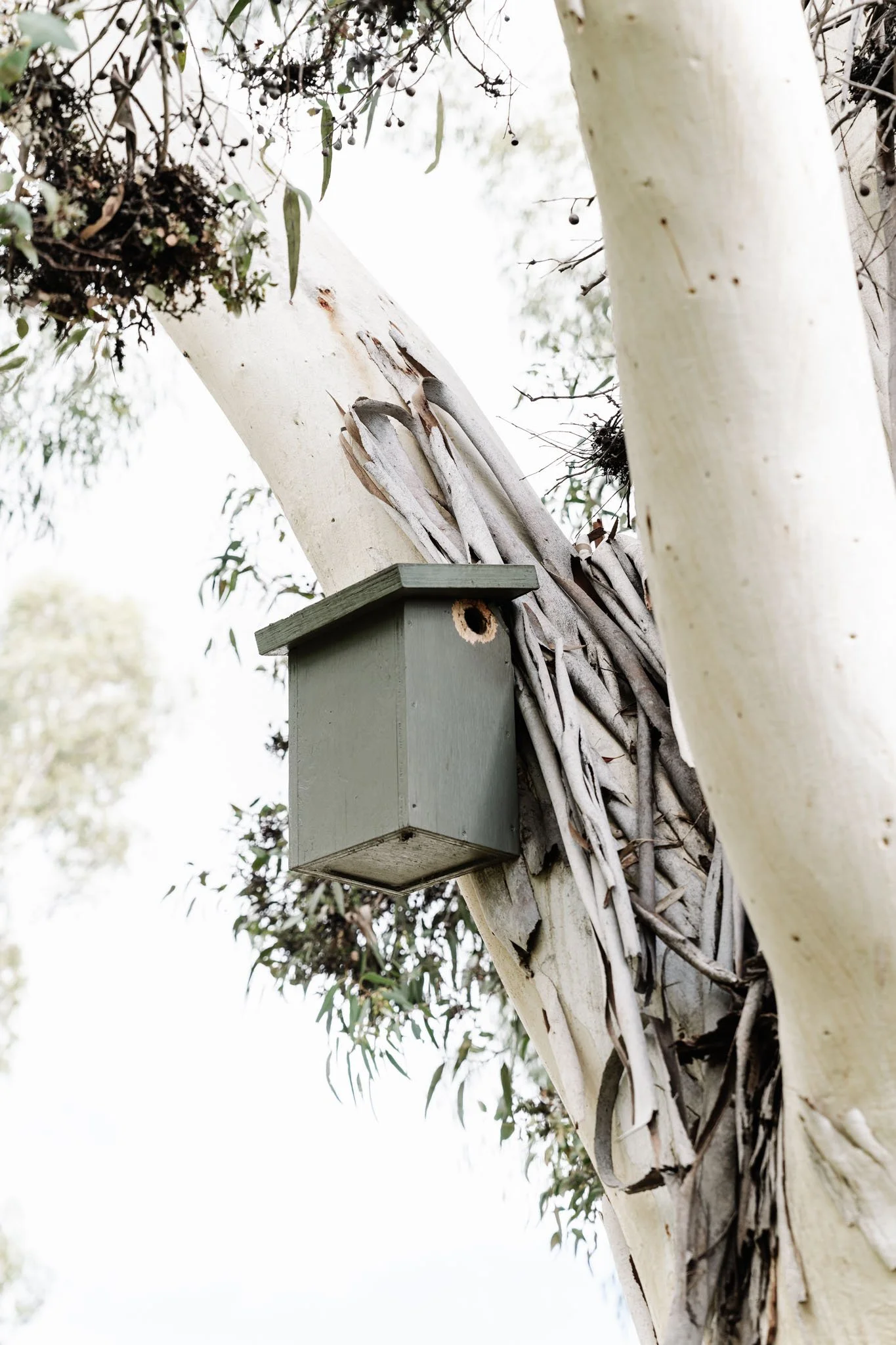
Wild Houses fund man-made shelter for wildlife. Right now, that's nest boxes for birds, bats and gliders.
Every Wild House is a Thermal Haven nest box - the first NaturePositive+ certified product by Global GreenTag International. Built to last, and installed by The Tree Company.
Over time, this may extend to native bee hotels, insect hotels, ReHabitat pods and artificial hollows.
We chose these structures because they can be designed, manufactured and supplied at scale. Log piles and retained native vegetation support wildlife too, but they don't fit a pledge model built on accountability.
Wild Houses focuses on shelter that can be made, counted and installed reliably. Practical to deliver, targeted to species, guided by ecological expertise.
We build fast.
Nature heals slowly.
Wild Houses is how the built environment steps in: one project delivered, one Wild House funded - shelter while nature recovers.
PARTNERS
Businesses pledged for 2026-27.
These partners pledged for 2026-2027. Verified delivery will be reported after EOFY.






FOR LARGER BUSINESSES
Delivering 100+ projects a year?
Wild Houses works at every scale, from a one-off custom home to a 1,000-lot masterplan. For larger businesses, we'll design a pledge framework that matches your pipeline.
Volume-appropriate unit. Annual caps where they make sense. A pledge that's meaningful without being a rounding error - or a rounding-up.
100+
Projects is where the framework kicks in
CUSTOM
Unit designed to match your pipeline
NO LOCK-IN
Year-by-year, renewable at EOFY
WHAT IT COSTS
pledge cALCULATOR.
Each Wild House costs $500 for the FY26-27.
That covers manufacturing, professional installation, and the on-ground work to get it there.
Wild Houses works with specialist nest box makers and conservation partners across Australia. The boxes are designed for native species, and installed in trees by people who know what they're doing.
Each one is numbered and geolocated. You'll know exactly which house your pledge funded and where it stands.
Your pledge funds a physical house, installed where it's needed. Not a donation to an idea.
pledge
ON THE GROUND
WHERE THE FIRST WILD HOUSES ARE GOING.
Funds raised in response to the January 2026 fires have been collected and allocated. Here's where things stand.
INSTALLATION PENDING PROPERTY ASSESSMENT
HARCOURT POST-FIRE RECOVERY
31 Wild Houses were funded in response to the January 2026 fires. Funds are held and ready, pending confirmation of broader conservation funding for the area.
Once confirmed, properties will be assessed, target species identified, and installation carried out with guidance from Connecting Country. Targeted for Winter 2026.
VICTORIA • 2026
CONFIRMED - FY25-26 PARTNER
SECOND DEPLOYMENT
Wild Houses nest boxes are going into the Glideways project to reconnect isolated glider populations across the fire-affected landscape. Boxes will support hollow-dependent wildlife, such as squirrel gliders and sugar gliders, which depend on tree hollows. The Alliance's goal is to install 1,000 nest boxes across the region in 2026. Wild Houses is contributing to that effort.
STRATHBOGIE RANGES • 2026
COMING EOFY
FY 25-26 ANNUAL REPORT
At the end of the financial year we'll publish total boxes funded, boxes installed, species supported, and site-level outcomes.
Each business can report on one number. Auditable. Ready to include in your sustainability reporting.
JULY • 2026
FAQs
STILL THINKING ABOUT IT?
-
Wild Houses is for architects, builders, developers, landscape designers, manufacturers and arborists who want a simple, credible way to fund shelter for wildlife alongside the projects they deliver.
-
Tree hollows are essential shelter for wildlife.
More than 300 native species in Australia rely on tree hollows for nesting, roosting or raising young, including:
114 species of native birds
83 species of native mammals, such as bats, possums and gliders
79 species of reptiles and 27 species of amphibians
When hollow-bearing trees are lost, that shelter disappears instantly, while replacement can take decades or longer.
-
A one-to-one pledge.
For every unit of work you complete, you fund a house for wildlife.
The unit is flexible and chosen by you.
-
Not yet. Several partners have asked whether nest boxes can be installed directly on residential properties they've completed, and it's something we're actively exploring. The conservation group model - where ecologists assess sites, engage landowners, and install boxes in clusters on larger properties - is what makes Wild Houses ecologically rigorous and operationally manageable right now. Residential installs introduce different logistics, costs and ecological considerations. We're working through what a credible version of that could look like. Stay tuned.
-
At end of financial year, based on what you actually delivered.
-
You only pay for what you actually deliver. If you pledged on 50 projects and delivered 38, you fund 38 Wild Houses. No penalty for falling short.
-
Yes. Pledges can start at any point in the year. You reconcile at EOFY based on projects delivered from your pledge start date.
-
Pledges for FY 2025-26 were tax-deductible through a registered conservation partner. From FY 2026-27, pledges will likely be treated as a business expense rather than being tax-deductible. We'll confirm the final structure before EOFY 2027.
As Wild Houses is designed primarily for architects, designers, builders and developers, pledges are typically claimable as a business expense regardless of deductibility status. Businesses should confirm with their accountant.
-
No complex contracts. Pledging is a public commitment, tracked against your projects and reconciled at EOFY. You're listed as a partner from the moment you pledge.
-
For FY 25-26, funds went directly to a registered non-profit partner, set aside specifically for Wild Houses.
For FY 26-27, we're finalising the structure - funds may be received directly to manage supplier relationships and deployment timing more closely. We'll confirm before EOFY 2027.
-
Wild Houses will track and report:
how many houses are funded
what type they are
when they are delivered
Impact will be reported once houses have been funded and delivered, with updates shared periodically and summarised at key points such as end of financial year.
-
Wild Houses works with non-profit conservation partners to identify and prioritise projects. At the end of each financial year, once pledges are reconciled and the total number of Wild Houses is confirmed, locations are identified and deployment is planned.
Local conservation groups then guide the specifics: which species are most in need, what type of houses are appropriate, and exactly where and how they're installed. These decisions are made in consultation with landowners and ecologists.
The priority is always the same: greatest ecological impact, in the right place, for the right species.
-
Yes, requests can be submitted.
Wild Houses may work with:
conservation groups and non-profits seeking support for a specific project
land managers or organisations with identified habitat needs
businesses that want to fund houses for wildlife as part of a specific project or site
All requests are assessed on a case-by-case basis, guided by ecological advice, available funding and overall program priorities.
-
Yes. Each Wild House is numbered and geolocated. You can share that information with your clients to show the tangible outcome of your project.
-
We are starting with nest boxes.
Future additions may include native bee hotels, insect hotels, ReHabitat pods and artificial hollows.
-
Yes, once your pledge has been fulfilled and funding delivered.
Verified partners are listed publicly.
-
Yes.
Businesses funding above certain thresholds will be offered additional engagement opportunities such as facilitated workshops or team experiences.
More details to come.
-
No.
Wild Houses are not a direct offset for biodiversity or habitat loss. They support net biodiversity gain by providing shelter where it’s missing and contributing to recovery alongside other conservation actions, including global goals like 30 x 30.
-
No.
Wild Houses operates year-round.
Disaster response is one mode, not the whole purpose.
-
Pledges are made in good faith. If circumstances change, contact us directly and we'll work it out.
-
Yes.
While Wild Houses is designed primarily for businesses in the built environment, individuals are welcome to pledge one or multiple Wild Houses at any time of the year.
Some people choose to fund a house for wildlife:
as a personal commitment
on behalf of a completed home or renovation
or simply because they want to support wildlife recovery
Individual pledges support the same outcomes, with funds going to an on-the-ground-partner and houses delivered where shelter is needed.
-
Wild Houses was founded by Marnie Hawson, a former environmental scientist turned photographer working with architects, builders, developers, landscape designers, manufacturers and arborists across Australia.
Through her photography practice, she focuses exclusively on sustainable architecture, green infrastructure and regenerative landscapes - projects that tackle climate change, biodiversity loss, and deliver housing that’s good for people and planet.
Marnie is a Certified B Corp, carbon neutral, and a 1% for the Planet member. Her second venture, The Biodiversity Toolkit, gives landscape and green infrastructure businesses a set of nature actions they can put into any proposal - what backs each one, what's commercially available in Australia right now, and how to actually build it.
Wild Houses brings these strands together - linking housing, accountability and biodiversity through measurable action.
P.S. Fun fact: Marnie has a zoology honours degree studying sexually transmitted diseases in birds.
-
Wild Houses was started to address a simple gap: while the housing industry is very good at counting the homes it builds for people, it has fewer ways to account for the shelter wildlife loses along the way.
Working closely with architects, builders and developers, Marnie saw firsthand how housing shapes land, habitat and outcomes for nature.
Wild Houses grew from a straightforward idea: if houses for people can be counted, houses for wildlife can be counted too - making responsibility for shelter practical, measurable and shared.

DRAG THE PIECES to BUILD A WILD HOUSE.
Architects, Builders - You already know how this works.